
The Southern Highlands has one of the most distinctive climates in the greater Sydney region — cooler, wetter, and more prone to frost than anywhere else within a couple of hours’ drive of the city. It’s a big part of why people love living here, but it’s also a real factor when it comes to how exterior paint performs, and it’s something we plan around on every job.
What Makes the Highlands Climate Different
Sitting at elevation, the Southern Highlands runs noticeably cooler than Sydney and the coast — frosty mornings are common through winter, and the region gets more rainfall spread across more days of the year than the surrounding lowlands. Humidity tends to sit higher too, particularly in the cooler months, and mist and fog are a regular feature of Highlands mornings, especially in towns like Bowral, Burradoo and Moss Vale.
None of this is a problem for a well-planned, well-executed paint job. But it does mean the approach that works fine on the coast or in western Sydney doesn’t always translate directly to a Highlands property, and cutting corners on timing or product choice shows up faster here than it would elsewhere.
How Cold and Damp Conditions Affect Paint Application
Paint needs a minimum surface and air temperature to cure properly — apply it too cold, and the paint film can stay soft, tacky, or prone to early failure, even if it looks fine on the day. Most quality exterior paints have a minimum application temperature somewhere around 10°C, and in the Highlands, that rules out painting on plenty of winter mornings until things warm up later in the day.
Humidity and moisture are just as important. Painting onto a damp surface, or in conditions where dew is likely to settle before the paint has properly cured, is one of the most common causes of early paint failure we see — bubbling, poor adhesion, and a finish that doesn’t last anywhere near as long as it should.
Why Timing Matters More Here Than Elsewhere
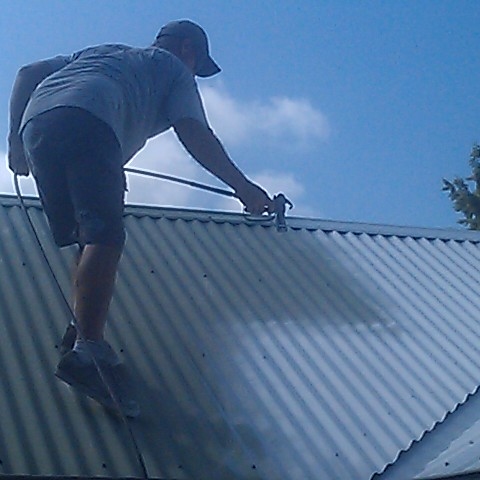
In the Highlands, we’re generally working with a narrower daily window of ideal painting conditions than you’d get on the coast, especially through the cooler months. That means:
- Starting later in the morning once frost and dew have burned off, rather than at first light
- Finishing early enough in the afternoon that the paint has time to cure before the evening cool-down and moisture sets back in
- Being more selective about which days are suitable during winter, and planning larger exterior jobs around the more reliable spring and autumn windows where possible
- Paying close attention to the forecast, not just for rain, but for overnight temperature drops and dew point
This is one of the reasons local experience matters on a Highlands paint job — knowing the rhythm of the local weather, not just the general forecast, makes a real difference to the finished result.
Choosing Products Suited to the Climate
Not all exterior paints are created equal when it comes to handling cooler, damper conditions. We generally look for paints with good low-temperature application tolerance, strong moisture and mould resistance, and flexibility to handle the temperature swings between frosty mornings and warm afternoons that are common through spring and autumn in the Highlands.
Primers matter just as much here, particularly on timber. A good quality primer that seals the timber properly gives the topcoats a much better chance of resisting the moisture that’s more consistently present in this climate than in drier parts of the state.
Mould and Mildew Considerations
Higher humidity and more shaded, damp conditions — particularly on south-facing walls or homes with a lot of garden cover — create good conditions for mould and mildew growth on exterior surfaces. This is worth addressing properly during preparation, not just painted over, or it tends to reappear through the new paint film within a year or two.
Planning Ahead Rather Than Reacting to the Forecast
One of the advantages of working with painters who know the local conditions well is being able to plan a job around realistic expectations, rather than committing to a start date and hoping the weather cooperates. For larger exterior jobs in particular, we generally build in some flexibility around timing, so a few unsuitable days don’t throw the whole project off course. This kind of planning matters more in the Highlands than in a climate with longer, more predictable dry stretches.
Interior Painting and the Highlands Climate
It’s not just exteriors that are affected. Interior painting during the coldest months can also take longer to cure fully, particularly in rooms without much heating or ventilation. We generally recommend a bit of extra ventilation and, where possible, some background heating during interior jobs undertaken through winter, to help the paint cure as intended.
The Best Time of Year to Paint in the Highlands
Spring and autumn are generally the most reliable seasons for exterior painting in the Southern Highlands. Both offer a wider daily window of suitable temperature and lower humidity than the depths of winter, without the intense UV and occasional summer storm activity that can also complicate scheduling. That’s not to say winter or summer painting is off the table — we work through both, adjusting timing and product choice as needed — but if you have flexibility on when to schedule a job, these shoulder seasons tend to give the most consistent results with the fewest weather-related delays.
Summer painting is generally fine for most jobs, though very hot days can cause paint to dry too quickly on the surface before it’s properly bonded, particularly on north and west-facing walls in direct afternoon sun. We often plan around this by starting exterior work on hot days earlier in the morning and avoiding the most intense midday and early afternoon heat on exposed walls.
Protecting Other Exterior Surfaces From the Same Conditions
It’s not just house paint that has to contend with the Highlands climate — deck timber, fences, and outdoor furniture face the same cold, damp winters and strong summer UV. If you’re planning an exterior repaint, it’s often worth considering these surfaces at the same time, since they’re exposed to identical conditions and benefit from the same kind of climate-appropriate products and timing.
The Bottom Line
The Southern Highlands climate isn’t a reason to avoid painting your home — it’s simply a factor that needs to be planned around properly. The right product, the right timing, and the right preparation account for the local conditions rather than working against them, and that’s the difference between a paint job that holds up for a decade and one that starts failing within a couple of years.
Get A Free Quote